


3D Printing in Medicine – Preoperative Planning and Customized Medical Devices
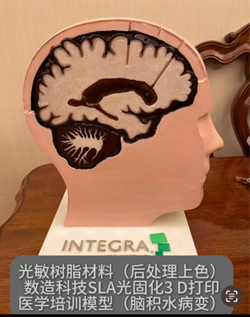
SLA 3D printing uses patient CT/MRI data 1:1 to create bone and vascular models for surgical planning and team collaboration.
Industry Background
Orthopedics, dentistry, and oncology face growing demand for personalized devices that traditional manufacturing cannot deliver with patient-specific precision. The lack of physical models in surgical planning increases risks in complex procedures.
Solutions
SLA printing uses patient CT/MRI data 1:1 to produce bone and vascular models for pre-surgical planning and team collaboration. Combined with dental-grade photoresin, it can fabricate aligner molds and surgical guides with accuracy better than ±0.1mm.
Achieve Results
Surgical planning efficiency improved by 50%, with significantly reduced risks for complex procedures; orthodontic aligner base models achieve precision better than ±0.1mm, raising patient satisfaction to 98%.
Recommended Models
3DSL-360/3DSL-600
Related Articles
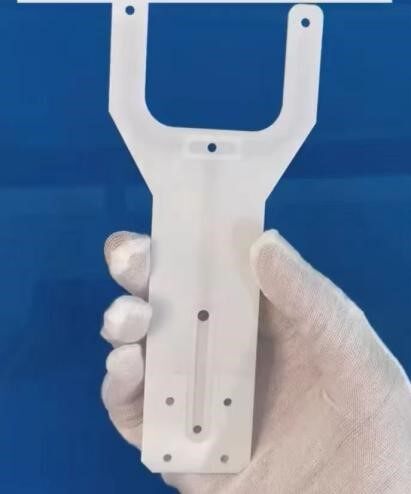
Say Goodbye to "Top-and-Bottom Gluing": How UV-Curing 3D Printing Enables Monolithic Internal Channels in Ceramic Robotic Arms
With ceramic 3D printing via stereolithography, internal air channels in the robotic arm are molded integrally with the body, eliminating sealing and precision issues caused by adhesive bonding.
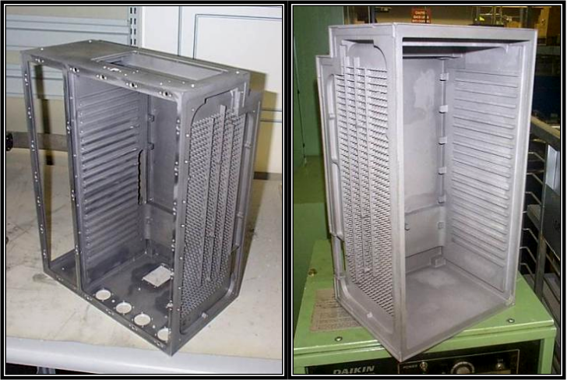
3D Printing-Based SLA Rapid Precision Casting Technology: Quick Cast
Quick Cast, a rapid precision casting technology based on SLA, is an improved lost-pattern casting method invented by 3D Systems in the United States in the early 201990s.

3D Printing Ad Exhibition – Large-format拼接, 72-hour rush service
SLA large-format machines enable rapid production of high-precision models for people, buildings, product lines, simulations, and miniature sand tables.