


3D Printing-Based SLA Rapid Precision Casting Technology: Quick Cast
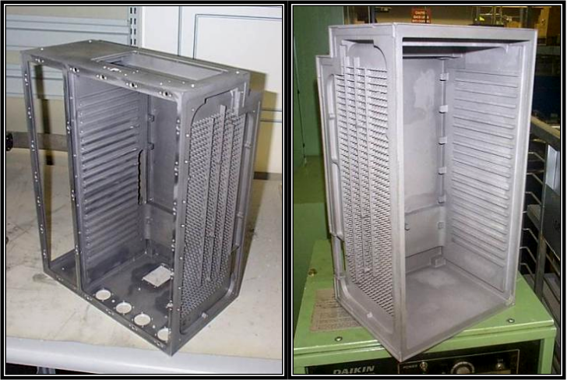
Stereolithography-based Quick Cast is an advanced lost-pattern casting technology developed by 3D Systems in the 20s of the 90 century.
Industry Background
Traditional lost-wax casting involves multiple steps: creating metal molds, injection molding wax patterns, shell making, dewaxing, and metal pouring. This process is complex, takes 4-6 weeks, and requires metal molds costing up to 50-100 ten thousand yuan.
Solutions
Quick Cast technology uses SLA printing to create hollow resin models with drainage holes in the outer wall to remove uncured resin. Wall thickness is 0.3-{1.5}mm. Shuzao Technology's epoxy resin, developed specifically for casting, features low viscosity and leaves only 10μg/g of ash residue after burning.
Achieve Results
Instance 1: 1×2×3×5mm titanium alloy sample successfully cast from TC4 titanium alloy. Instance 2: Five-section missile body structure for a specific missile model, achieving total savings of $54,000,000. Development cycle reduced from 6 weeks to 2 weeks, with costs lowered by over 60%.
Recommended Models
3DSL-600/3DSL-800
Related Articles
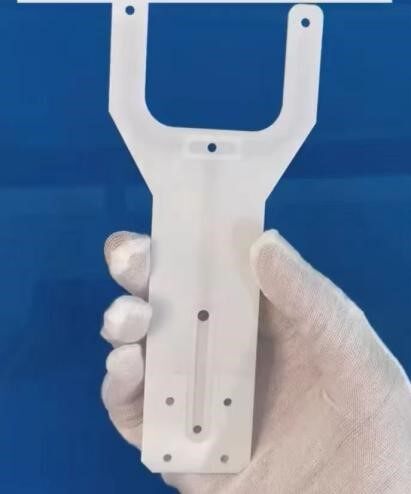
Say Goodbye to "Top-and-Bottom Gluing": How UV-Curing 3D Printing Enables Monolithic Internal Channels in Ceramic Robotic Arms
With ceramic 3D printing via stereolithography, internal air channels in the robotic arm are molded integrally with the body, eliminating sealing and precision issues caused by adhesive bonding.
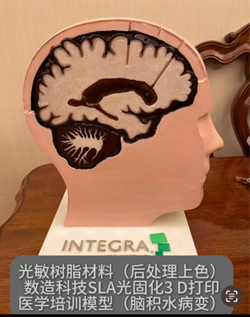
3D Printing in Healthcare: Preoperative Planning and Customized Devices
SLA-based 3D printing can generate bone and vascular models from patient CT/MRI data 1:1 for preoperative planning and team collaboration.
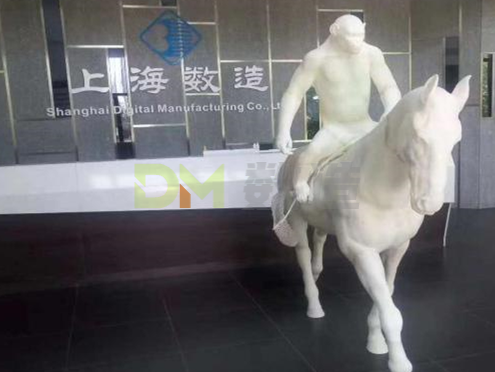
3D Printing Ad Exhibition – Large-format拼接, 72-hour rush service
SLA large-format machines enable rapid production of high-precision models for people, buildings, product lines, simulations, and miniature sand tables.