


3D Printed Miniature Models - SLA 3D Printing High-Precision Architectural Scale Models

SLA photopolymerization 3D printing precisely reproduces complex architectural model details, including window grilles, balcony railings, roof tiles, and other miniature structures.
Industry Background
Traditional architectural model making combines hand-carving, 3D printing, and manual assembly, requiring 4-8 weeks to complete. Complex architectural details are difficult to accurately replicate by hand.
Solutions
SLA resin 3D printing precisely replicates complex architectural model details with a layer thickness of 0.05mm for high precision. Supports common scales including 1:500/1:1000. Made from high-toughness resin to prevent breakage during shipping.
Achieve Results
Reduced model production time from 4-8 weeks to 2 weeks; improved detail accuracy by 300%.
Recommended Models
3DSL-360/3DSL-600
Related Articles
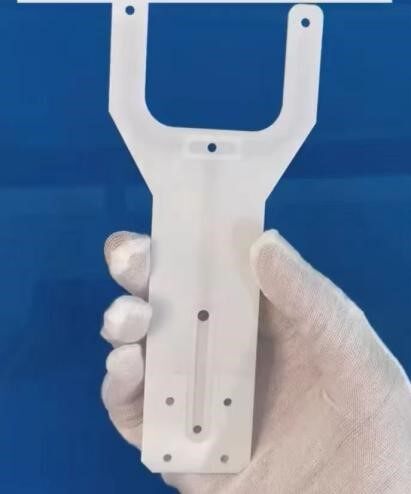
Say Goodbye to "Top-and-Bottom Gluing": How UV-Curing 3D Printing Enables Monolithic Internal Channels in Ceramic Robotic Arms
With ceramic 3D printing via stereolithography, internal air channels in the robotic arm are molded integrally with the body, eliminating sealing and precision issues caused by adhesive bonding.

3D Printing in Healthcare: Preoperative Planning and Customized Devices
SLA-based 3D printing can generate bone and vascular models from patient CT/MRI data 1:1 for preoperative planning and team collaboration.
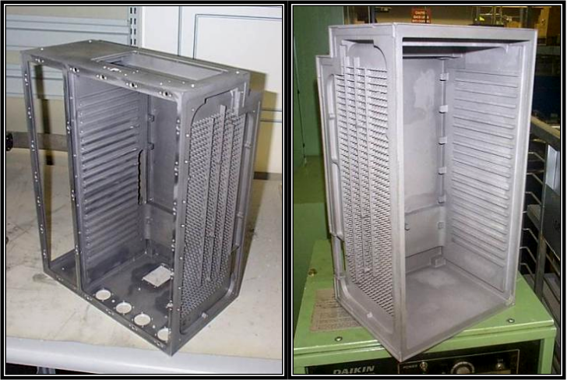
3D Printing-Based SLA Rapid Precision Casting Technology: Quick Cast
Quick Cast, a rapid precision casting technology based on SLA, is an improved lost-pattern casting method invented by 3D Systems in the United States in the early 201990s.