


3D-Printed Medical Surgical Guides – Transparent Resin, High-Precision Custom Guides

SLA stereolithography 3D printing uses medical-grade transparent resin to precisely fabricate surgical guides for orthopedics, dentistry, and neurosurgery.
Industry Background
Traditional surgery relies on surgeon experience and 2D imaging, leading to high risks and long durations for complex cases. Generic surgical guides cannot accommodate individual patient anatomy. Custom metal guides involve high costs and long lead times.
Solutions
SLA stereolithography 3D printing uses medical-grade transparent resin (biocompatibility certified) to precisely fabricate surgical guides for orthopedics, dentistry, and neurosurgery. Built from patient CT/MRI data via reverse engineering, it achieves accuracy better than ±0.1mm.
Achieve Results
Average surgical time reduced by 35%, intraoperative blood loss decreased by 40%; successfully applied in over 200+ clinical procedures with a physician satisfaction rate of 98%.
Recommended Models
3DSL-360/3DSL-600
Related Articles
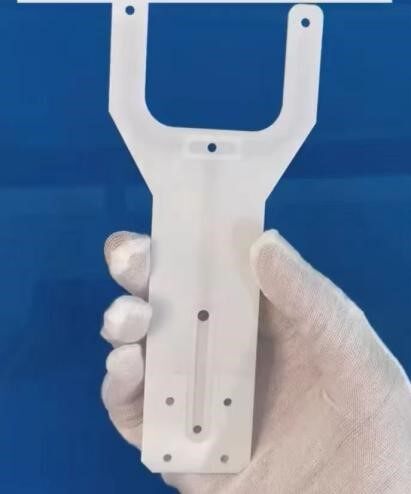
Say Goodbye to "Top-and-Bottom Gluing": How UV-Curing 3D Printing Enables Monolithic Internal Channels in Ceramic Robotic Arms
With ceramic 3D printing via stereolithography, internal air channels in the robotic arm are molded integrally with the body, eliminating sealing and precision issues caused by adhesive bonding.
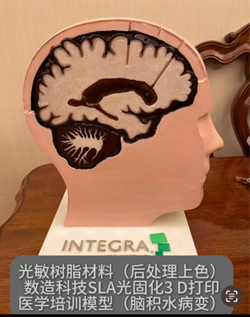
3D Printing in Healthcare: Preoperative Planning and Customized Devices
SLA-based 3D printing can generate bone and vascular models from patient CT/MRI data 1:1 for preoperative planning and team collaboration.
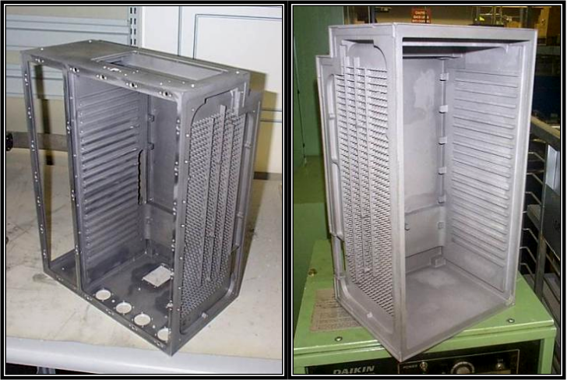
3D Printing-Based SLA Rapid Precision Casting Technology: Quick Cast
Quick Cast, a rapid precision casting technology based on SLA, is an improved lost-pattern casting method invented by 3D Systems in the United States in the early 201990s.