


3D Print Low-Volume Vacuum Cast Parts - SLA 3D Printing Master Patterns + Rapid Silicone Mold Replication

SLA photopolymerization 3D printing for high-precision master molds, combined with silicone mold vacuum casting, completes small-batch production of 50-500 units in 7-10 days.
Industry Background
Pre-launch, 50-500 small-batch units are needed for market testing, trade show samples, and dealer demos. Traditional injection molding requires $2–3 in tooling costs and takes 4–5 months.
Solutions
SLA photopolymer 3D printing creates high-precision master molds. Combined with silicone mold vacuum casting, it enables small-batch production of 50-500 units in 7-10 days, with material properties comparable to engineering plastics like ABS, PP, and PC.
Achieve Results
Reduce small-batch production costs by 80%, lowering per-unit cost from over ¥5 (CNC) to ¥8000-15000. Shorten lead time from 2-3 months to 7-10 days.
Recommended Models
3DSL-600/3DSL-800
Related Articles
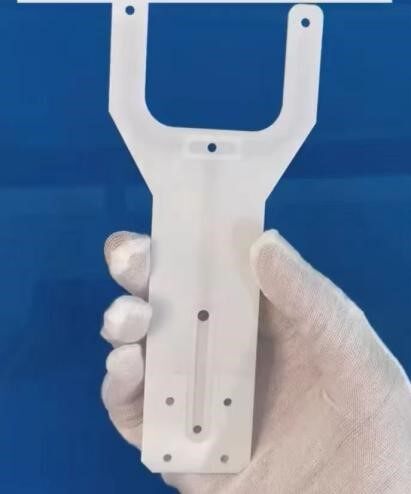
Say Goodbye to "Top-and-Bottom Gluing": How UV-Curing 3D Printing Enables Monolithic Internal Channels in Ceramic Robotic Arms
With ceramic 3D printing via stereolithography, internal air channels in the robotic arm are molded integrally with the body, eliminating sealing and precision issues caused by adhesive bonding.
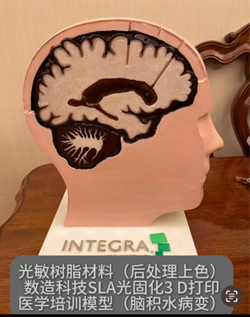
3D Printing in Healthcare: Preoperative Planning and Customized Devices
SLA-based 3D printing can generate bone and vascular models from patient CT/MRI data 1:1 for preoperative planning and team collaboration.
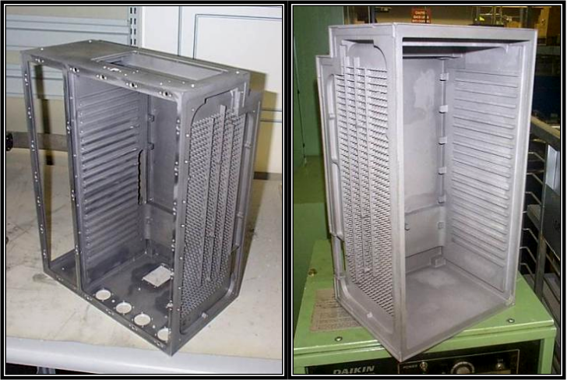
3D Printing-Based SLA Rapid Precision Casting Technology: Quick Cast
Quick Cast, a rapid precision casting technology based on SLA, is an improved lost-pattern casting method invented by 3D Systems in the United States in the early 201990s.